Exhibitions, Research, Criticism, Commentary
A chronology of 3,585 references across art, science, technology, and culture
“An artist can bring a protest’s typography into an art space or institution, not to sterilize it or water it down, but to keep it from getting lost to a materialistic news cycle that is only focused on what’s next.”
“Another day. Another night.,” Barbara Kruger’s first comprehensive Spanish survey fills Guggenheim Bilbao with text-based provocations spanning five decades. The American artist’s signature declarations challenge structures of power, identity, and control across walls, floors, and screens. Untitled (Forever) (2017/2025), a site-specific installation, surrounds visitors in Spanish and Basque text, weaving George Orwell’s dystopian warnings with Virginia Woolf’s insights on gendered power dynamics.


Esther Stocker’s “Analysis of the Error” warps geometry and questions perception at Dello Scompiglio in Vorno (IT). The Italian artist stages a single titular installation that delineates a compromised grid system in black tape, covering walls, floors, and columns, on pristine white surfaces. Visitors to the space explore and adjust their perspective to see order fall apart or line up, exposing the “anarchy, irrationality, or freedom” inherent in systems, writes curator Angel Moya Garcia.

Claudia Hart’s fifth Bitforms solo show, “Illuminations,” foregrounds the American artist’s longstanding interest in decorative patterns and icons. A frequent motif in her CGI scenes, the background symbols span heraldry, corporate logos, emoji, and mathematical symbols. In her featured Fallen Angel (2024-25, image) animations, Hart picks up where painters like Alexandre Cabanel left off but puts her forlorn exiles in contemporary attire amidst splashy organic shapes.

Circular shapes, central openings, radiating lines: Radek Sienkiewicz, aka VelvetShark, has an idea why AI company logos resemble buttholes. “Circles represent wholeness, completion, and infinity—concepts that align with AI’s promise. They’re also friendly and non-threatening, qualities companies desperately want to project when selling potentially job-replacing technology.” The visual conformity reveals a race for legitimacy, Sienkiewicz concludes, and ”the fear of standing out.”

“As soon as you start to work with limited operating systems, there is no Adobe. You have to build your own processes, workflows, and that interestingly creates new kinds of aesthetics.”

“Myspace’s ugliness was an anti-cooption force-field, because corporate designers and art directors would, by and large, rather break their fingers and gouge out their eyes than produce pages that looked like that.”
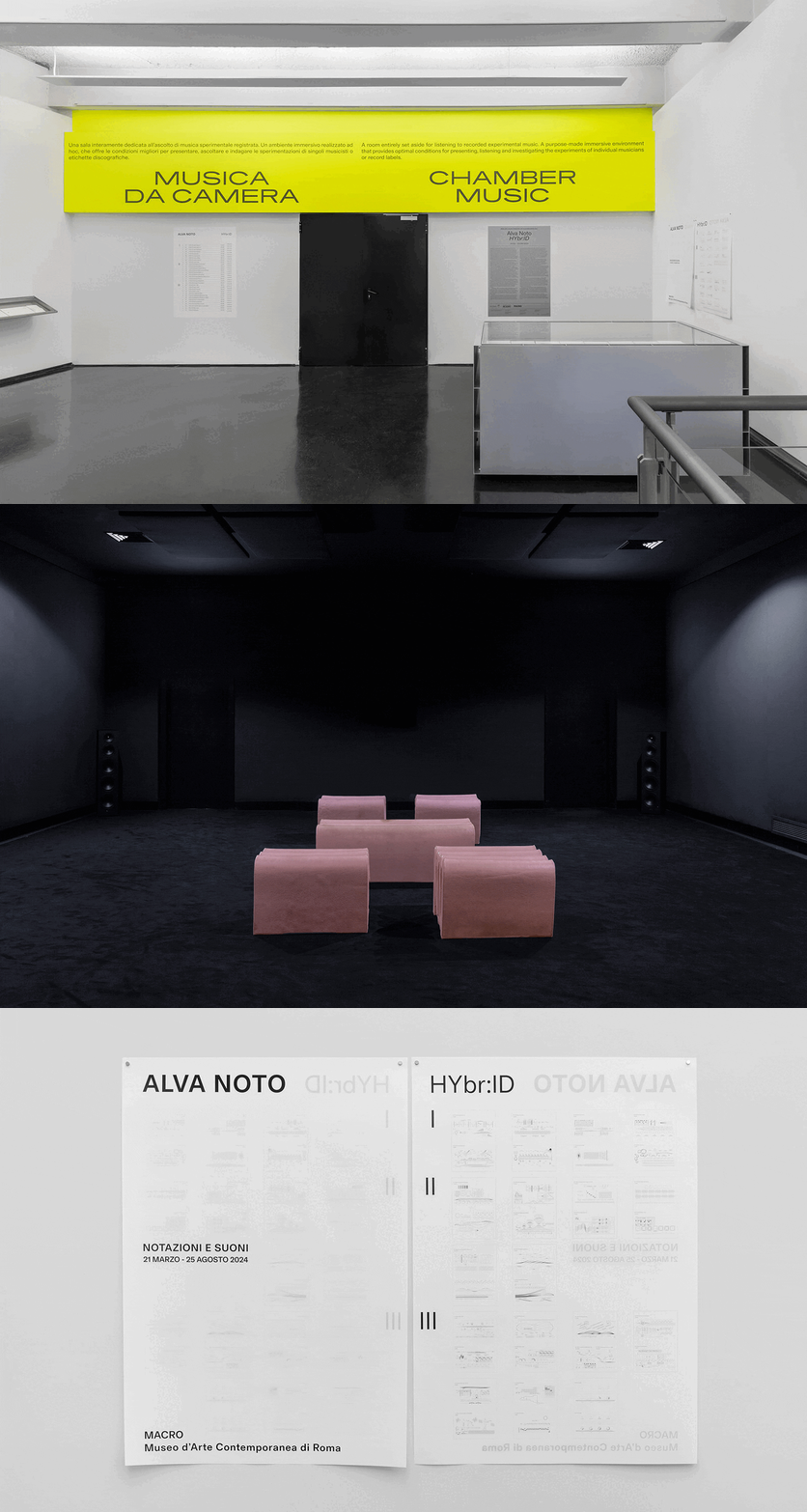
Presenting physics-informed work-in-progress, Carsten Nicolai’s HYbr:ID opens at the Museum of Contemporary Art of Rome (MACRO). A listening lounge featuring a sound piece that “oscillates between more stylized, dilated rhythms and dreamy atmospheres generated by low frequencies” inspired by Hermann Minkowski’s 1908 model of spacetime takes centre stage. Also presented are related drawings and graphics in which the German artist pushes the limits of musical notation.
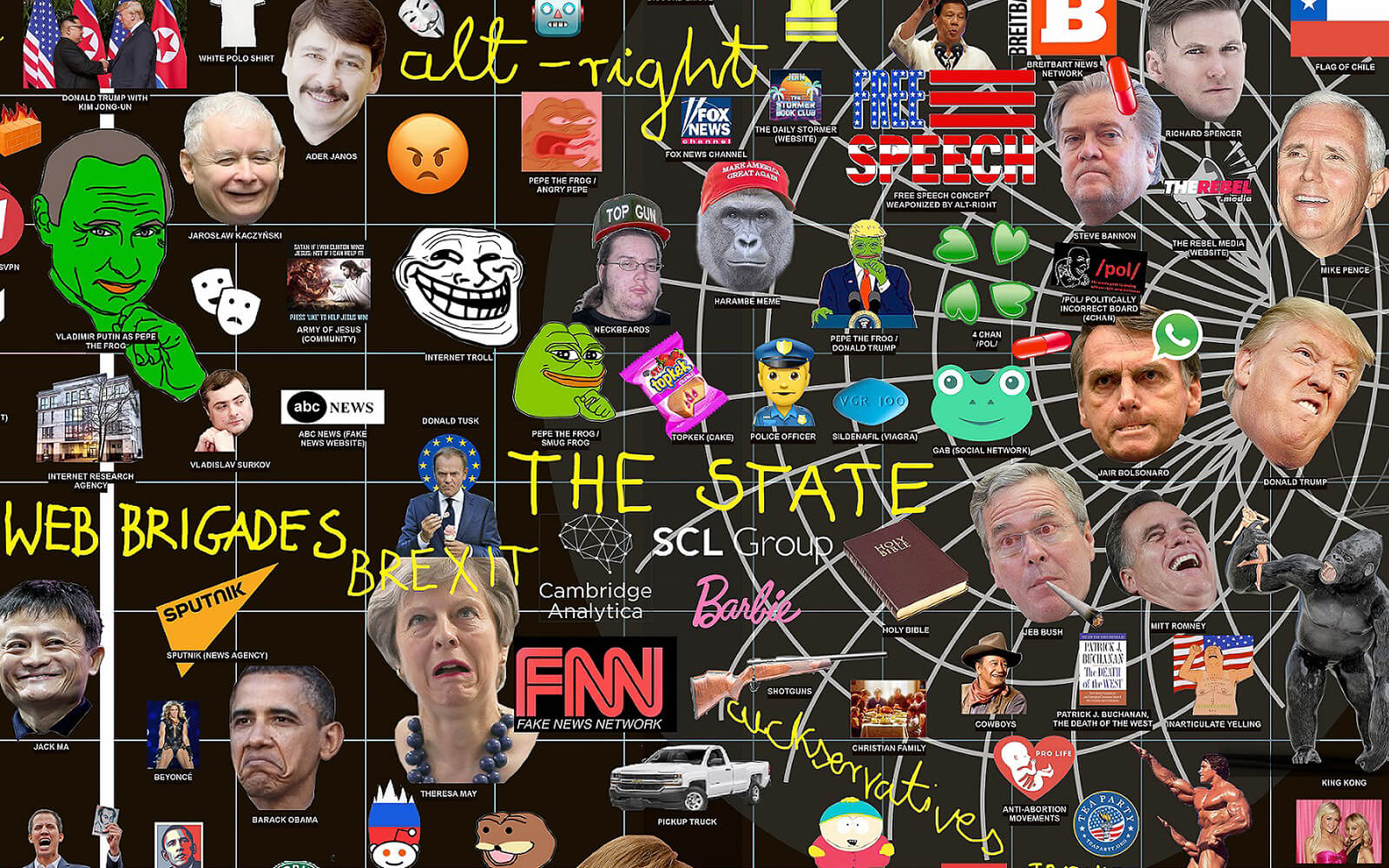
The Thessaloniki PhotoBiennale flagship exhibition, “The Spectre of the People,” opens in its namesake port city in Greece. Curated by Julian Stallabrass, artists including Lauren Greenfield, Carey Young, and The Archive of Public Protests explore populism. DISNOVATION.ORG contributes ONLINE CULTURE WARS (2018-19, image), a map of the “over-politicization of seemingly mundane topics, practices, and cultural elements,” with Donald Trump at the centre of a disinformation vortex.
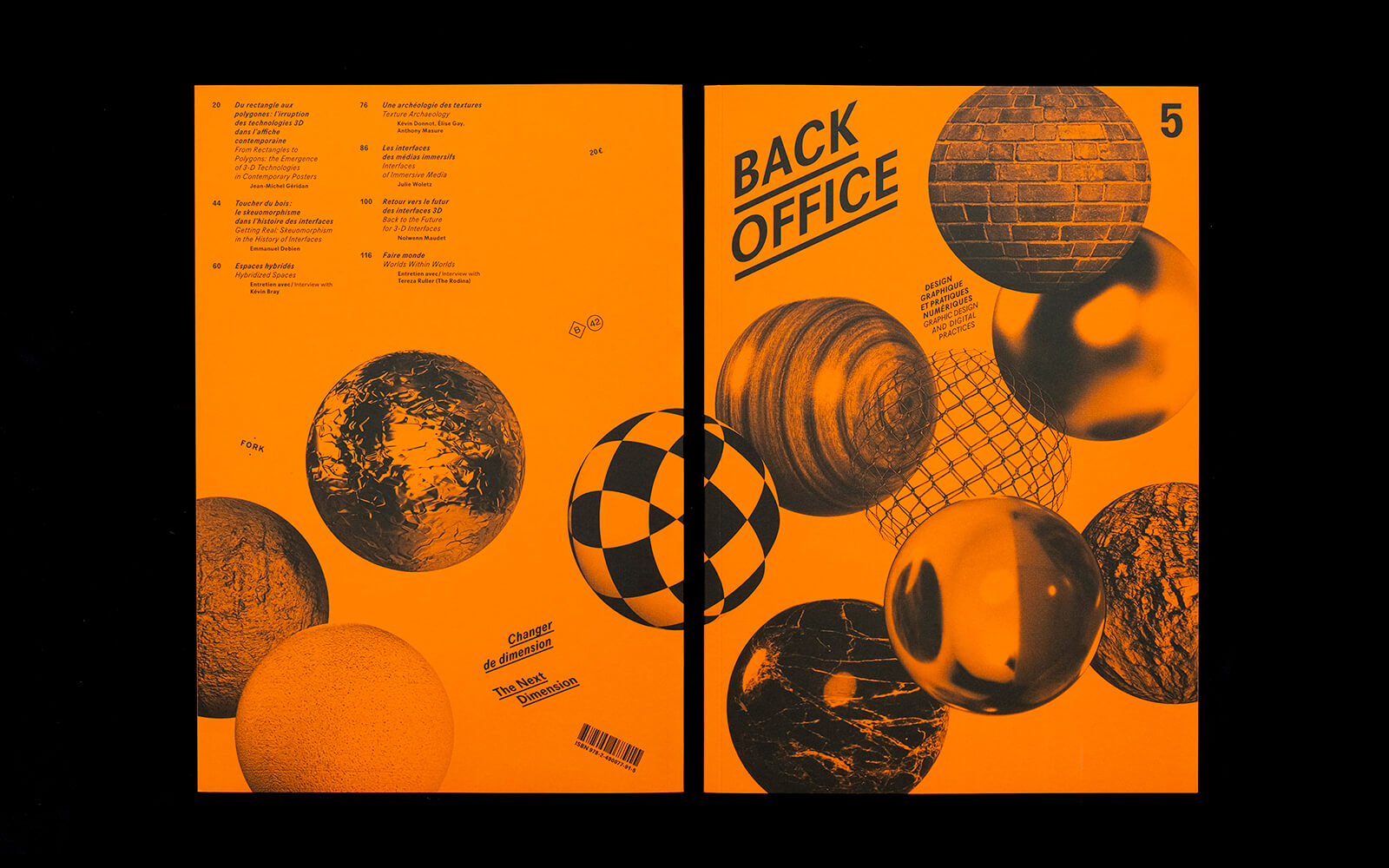
Back Office 5
The Next Dimension
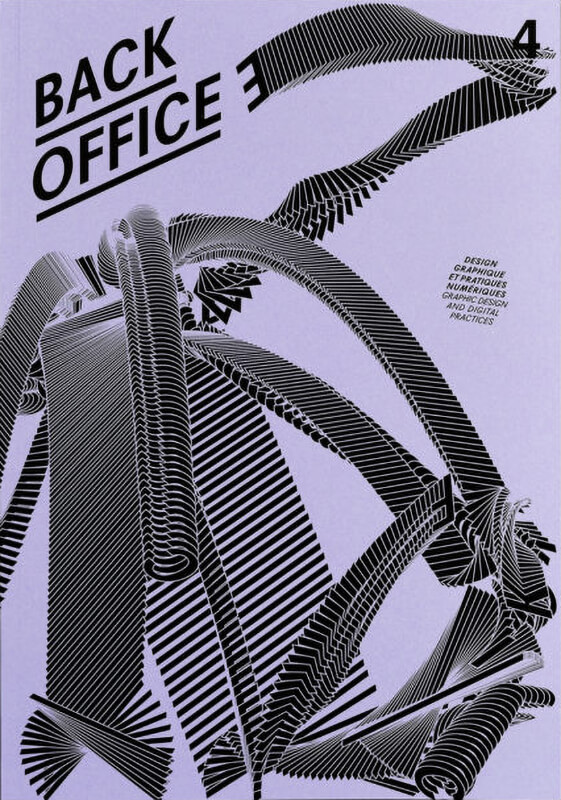
Back Office 4
Go With the Flow
Daily discoveries at the nexus of art, science, technology, and culture: Get full access by becoming a HOLO Supporter!
- Perspective: research, long-form analysis, and critical commentary
- Encounters: in-depth artist profiles and studio visits of pioneers and key innovators
- Stream: a timeline and news archive with 3,100+ entries and counting
- Edition: HOLO’s annual collector’s edition that captures the calendar year in print