
“I’d have more sympathy for NFT platforms shutting down if they hadn’t so openly embraced the capitalist extraction engine; the blinding antithesis of decentralization. These were businesses, and they made bad decisions. Own it.”
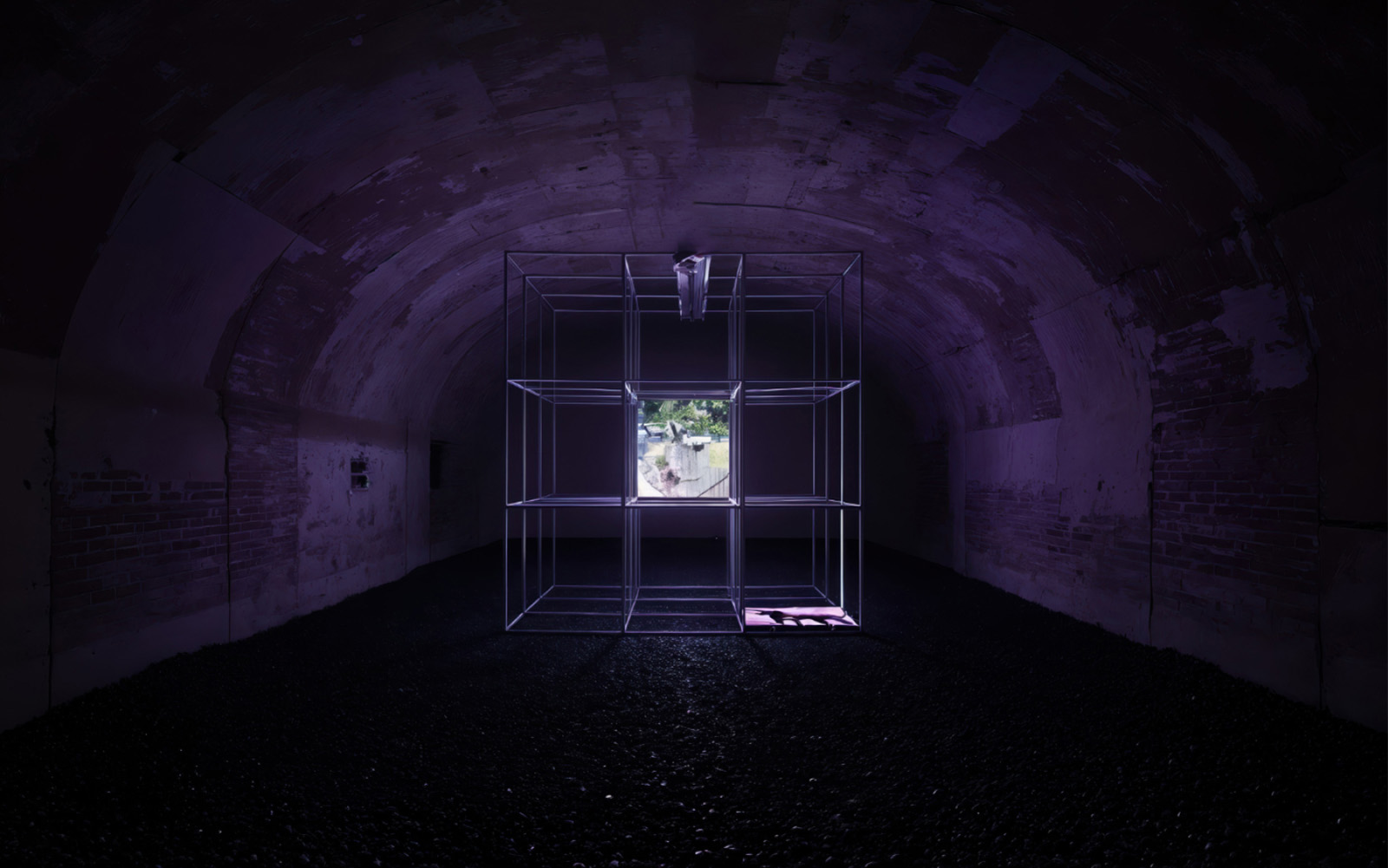
Curated by Jack Thomas Taylor and Amal Zeyad Ali, “What’s between, between?” takes over Doha’s Media Majlis Museum (QA). The show takes Gulf Futurism as its starting point—a term describing rapid transformation across the Arabian Peninsula, “where hyper-modernization and clashing visual cultures create a distinctive sense of living between multiple temporalities.” Featuring works by artists from across the Gulf region including Ahaad Alamoudi, Farah Al Qasimi, and Manal AlDowayan, the exhibition refuses a singular definition of the contested aesthetic.
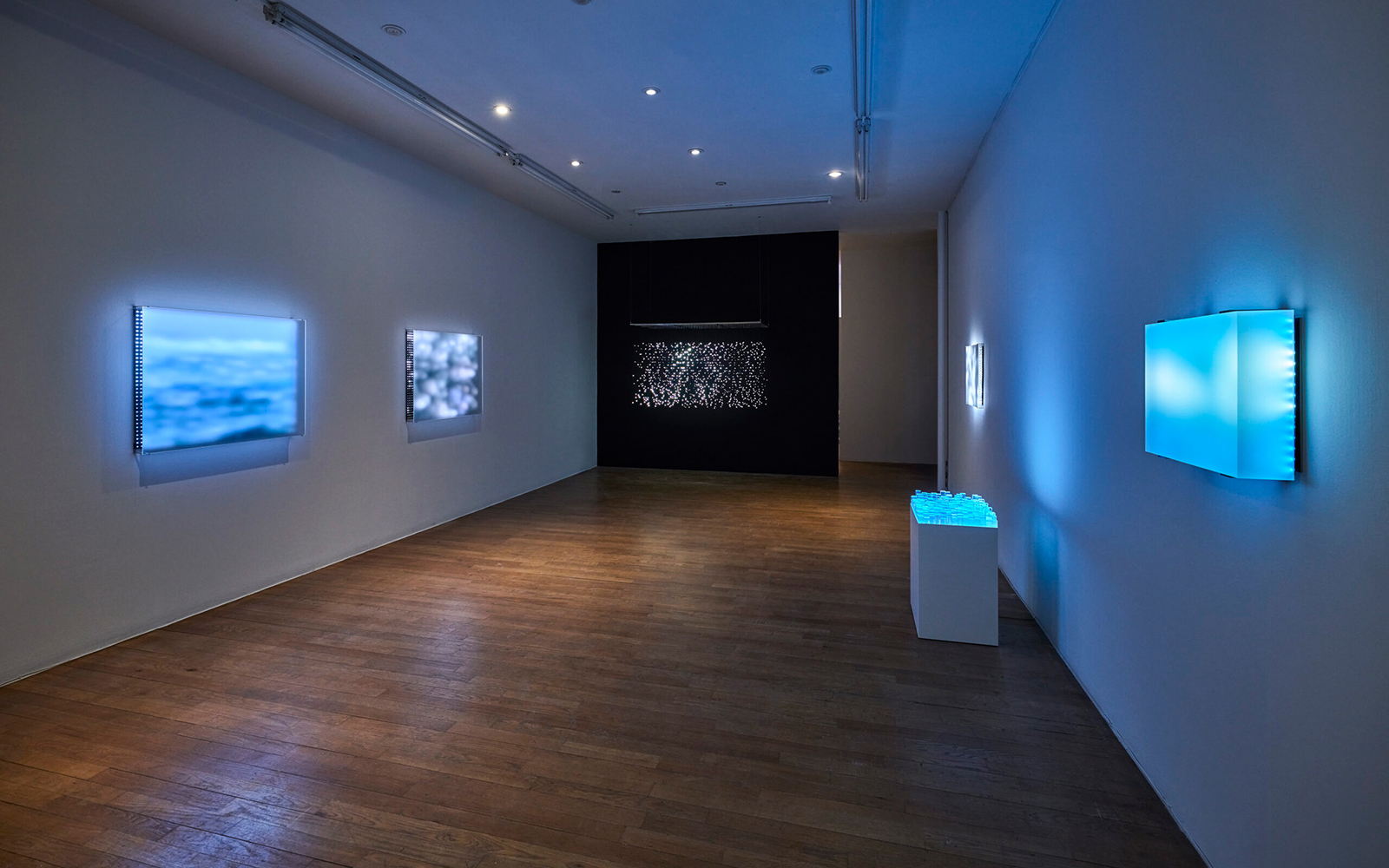
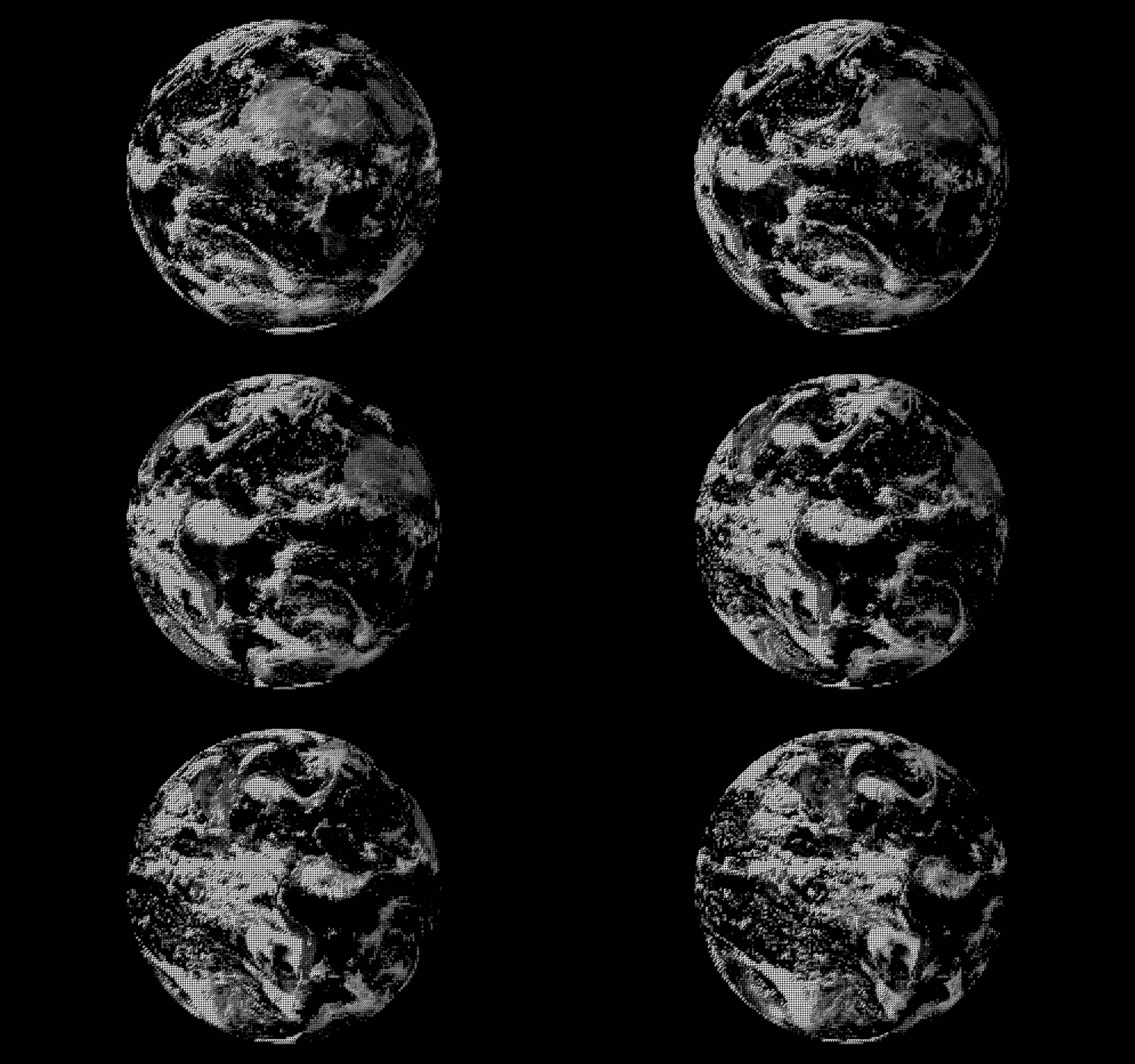
Three decades into his practice, Jim Campbell continues probing the threshold between abstraction and recognition. “Encoding Light” at bitforms NYC situates historic pieces alongside new works, positioning the American artist’s low-resolution LED installations as investigations into how perception fills in visual gaps. Motion Color Study #6 (2026), for example, translates footage of Monet’s Giverny garden into blurred colour fields—a continuation of the Impressionist’s inquiry, not a reinterpretation.
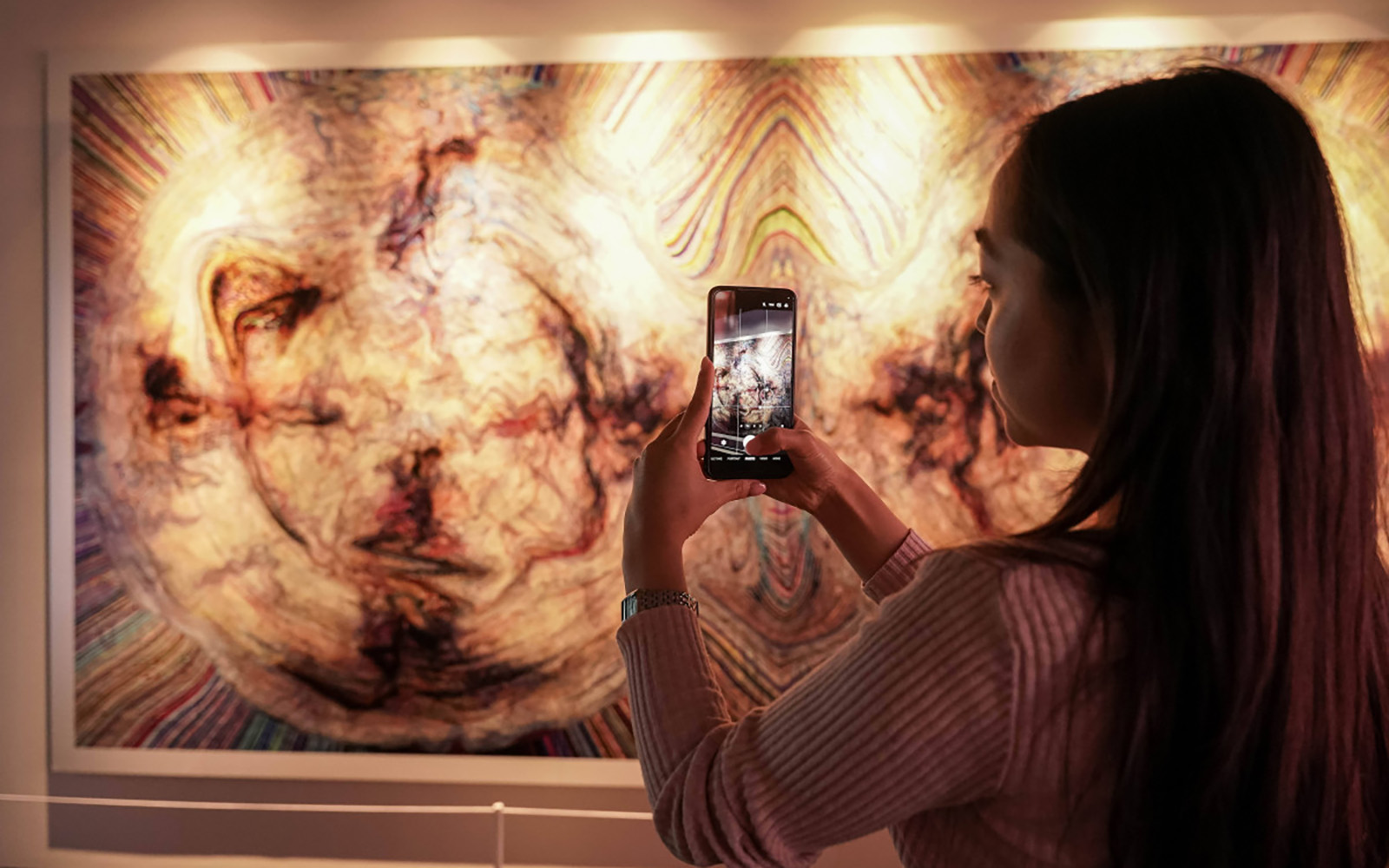
Rice University‘s Moody Center for the Arts in Houston (US) presents “Imaging After Photography,” a group show probing algorithmic bias, synthetic image-making, and photographic truth in the era of generative AI. Coinciding with FotoFest’s 40th anniversary, the show features Refik Anadol, Sofia Crespo, Trevor Paglen, and others. Nouf Aljowaysir’s Ancestral Seeds (2025) subjects British archaeologist Gertrude Bell’s photographs of the Middle East to computer vision models, exposing biases embedded in AI.
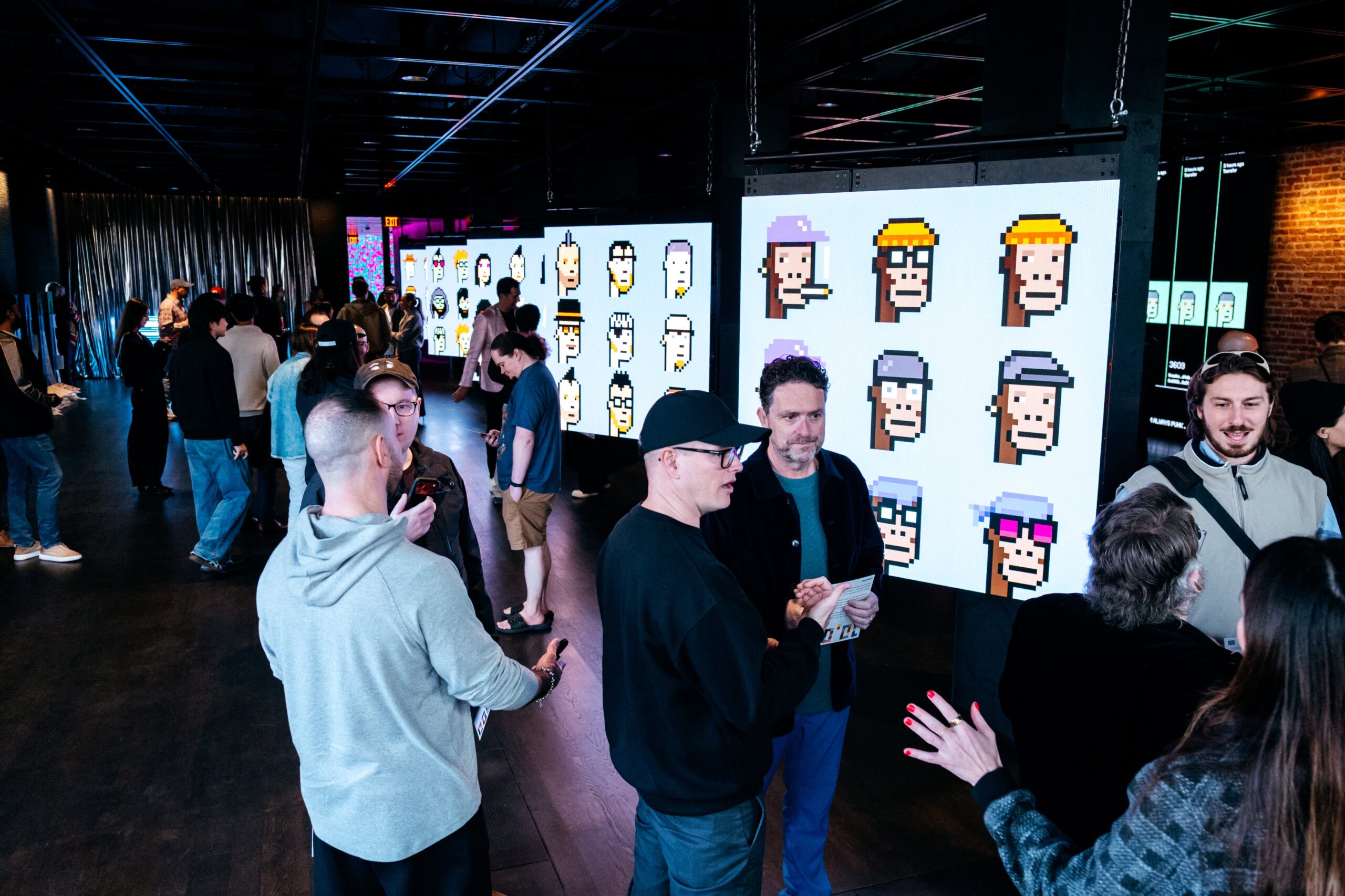
The Infinite Node Foundation launches its permanent Palo Alto (US) hub with “10,000,” the first major exhibition devoted to CryptoPunks (2017), Larva Labs’ (Matt Hall and John Watkinson) canonical PFP (profile picture) NFT collection. Following last year’s acquisition of the collection’s IP from Yuga Labs, NODE positions the algorithmically-generated portraits as a process-based artwork where “the marketplace is a living exchange that hums with activity.”
Serials

In Progress


In Progress


In Progress
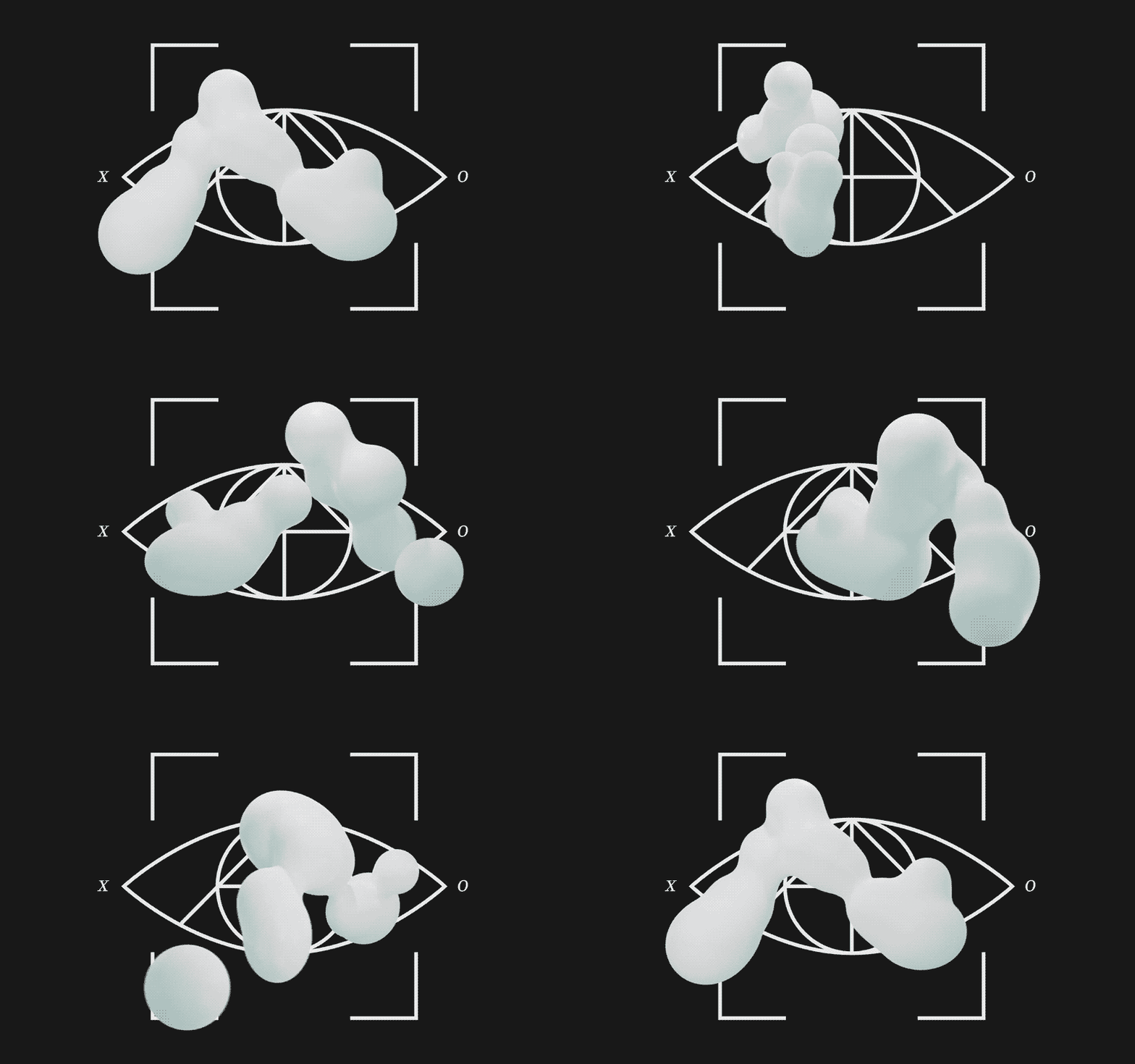
In Progress
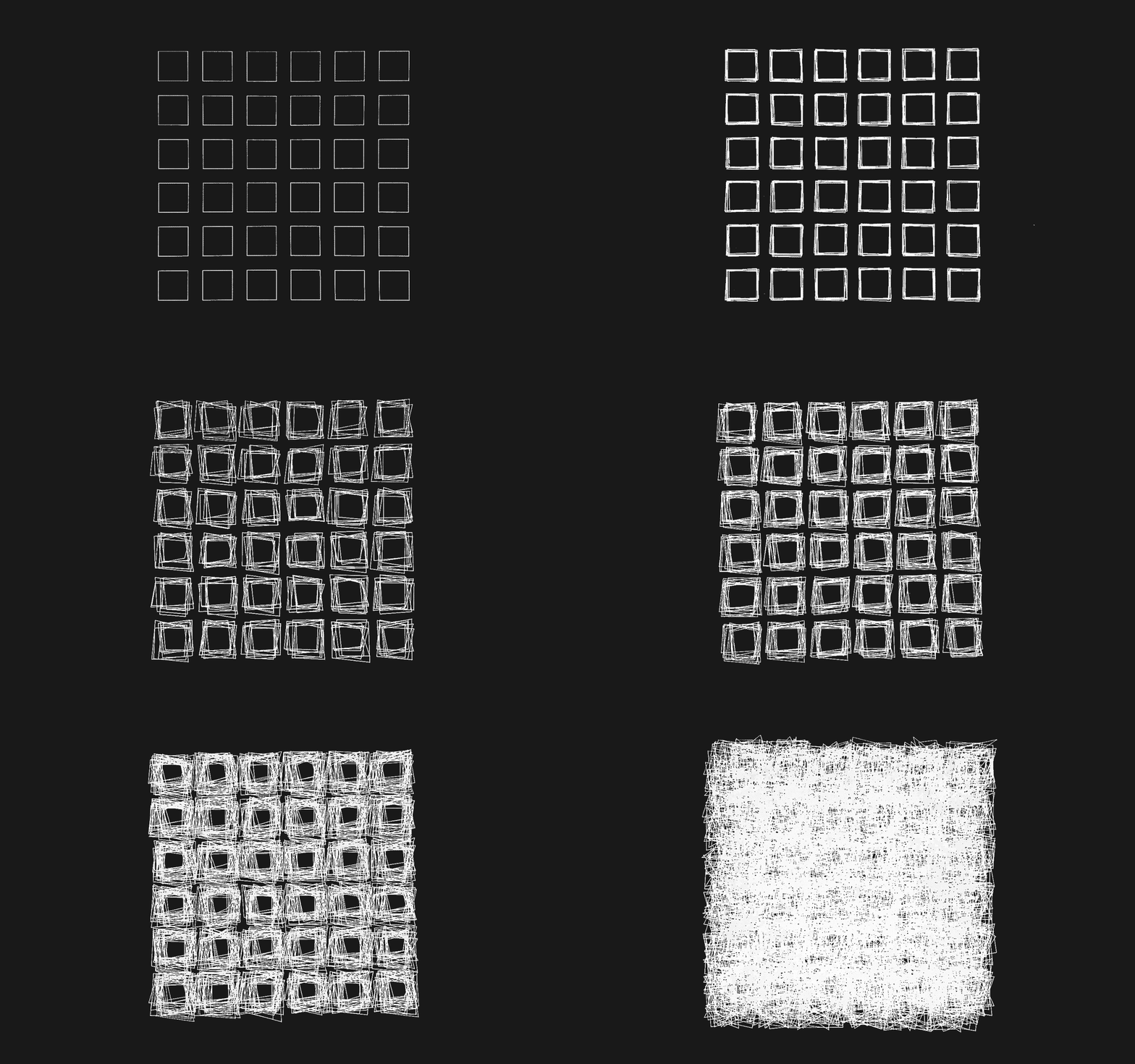
Complete
Complete


In Progress
Complete
General
A new HOLO format, Dossiers are web-based research publications that contextualize and expand upon cultural initiatives in real-time
Dossiers are dedicated HOLO folios that augment and complement exhibitions, residencies, conferences, and educational initiatives. Realised in collaboration with artists, writers, curators, and cultural partners, they are designed to document process and disseminate knowledge through a variety of engaging formats—essays, interviews, artwork—all within a focused online magazine. If you’re interested in working with us on a Dossier, please get in touch via our Contact page.



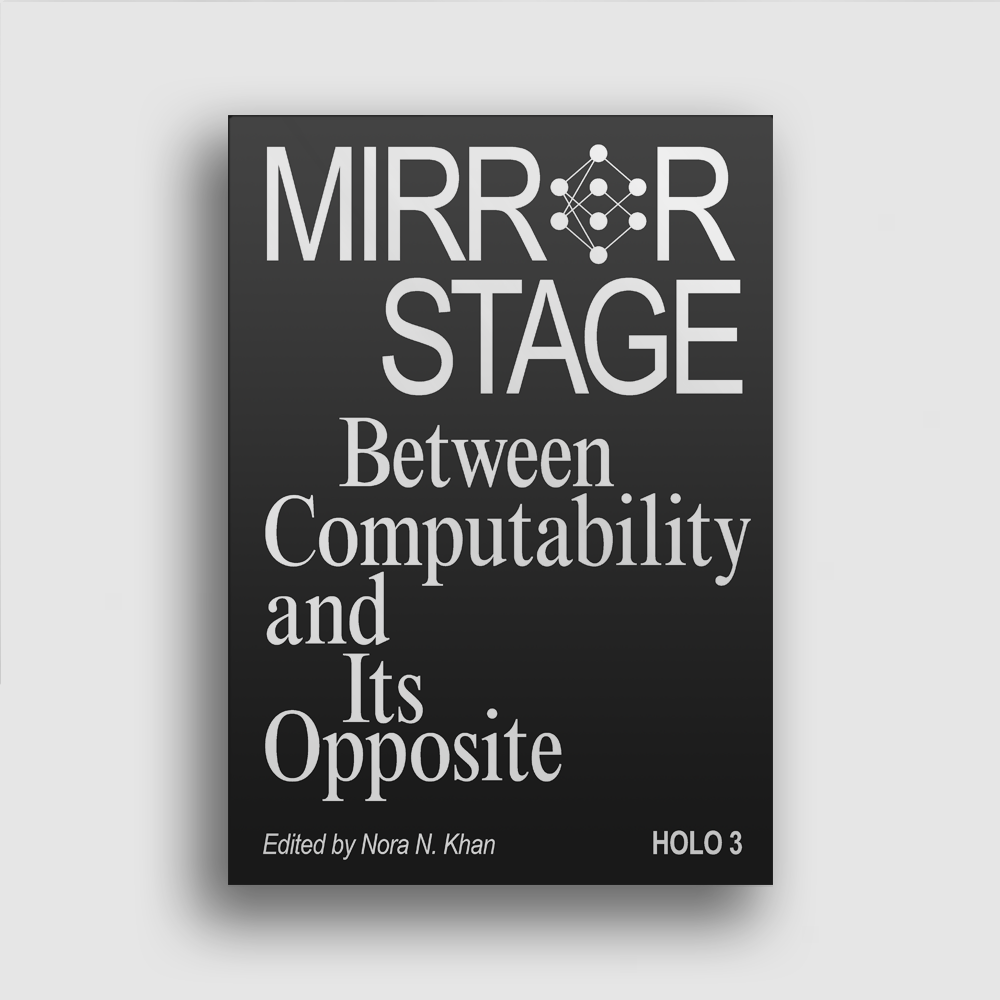


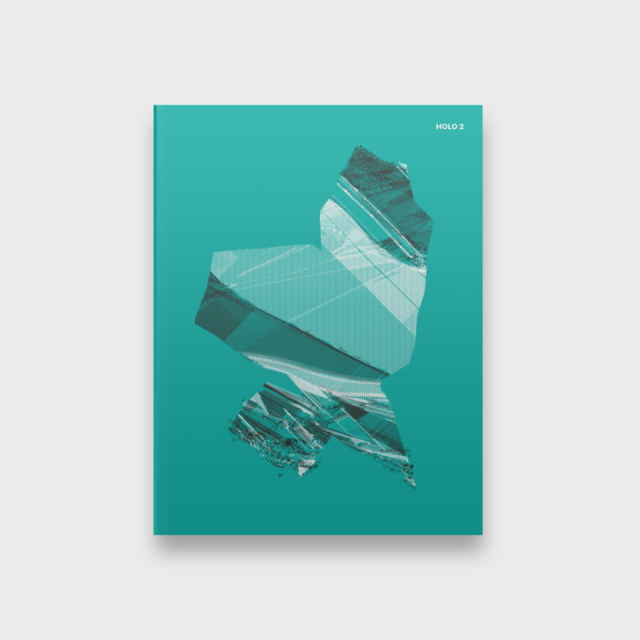
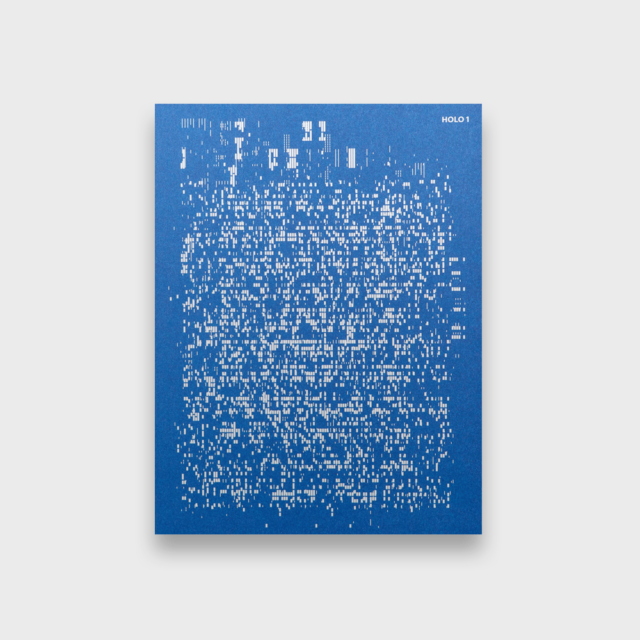
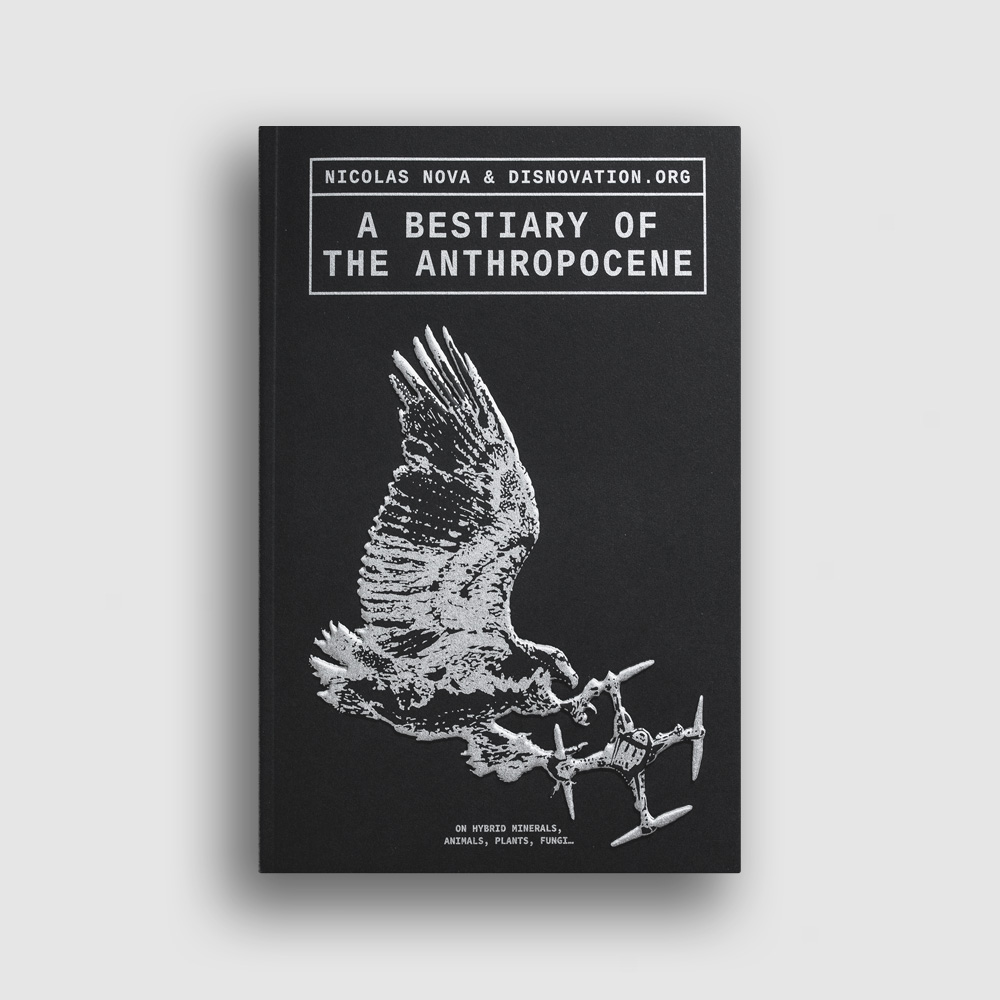
Emerging trajectories in art, science, and technology (since 2012)
As an editorial and curatorial platform, HOLO explores disciplinary interstices and entangled knowledge as epicentres of critical creative practice, radical imagination, research, and activism
“I feel the language and concepts I’m working with don’t comfortably fit within the normal discourse about art and aesthetics. CERN’s physicists and engineers understood the tools I was using and I was able to talk about my goals. I just couldn’t have that kind of dialogue in an art context.”—sound artist Bill Fontana on his CERN residency (HOLO 2, p.206)
There is a space between a computer’s command line interface and the contemporary art museum, the legalese of Silicon Valley’s terms and conditions and the social contract, the whoosh of a particle accelerator and the romanticized “a ha” of artistic inspiration. For much of the twentieth century these gaps were chasms, separating science and engineering from the humanities and siloing them off; today, these gaps are narrowing and disciplinary interstices are the spaces to watch. Increasingly aware of how much technology governs not only entrenched fields of study but every aspect of modern life, we’ve come to realise that things are deeply intertwined.
HOLO emerged in 2012 to explore these entanglements—first with a periodical, now across an expanded platform. Set up in the grey zones between art, science, and technology, it frames scientific research and emerging technologies as being more than sites of invention and innovation—as epicentres of critical creative practice, radical imagination, and activism. The artists and designers working with related materials—algorithms and microcontrollers, meteoroids and fungi, data and archives—aren’t just updating notions of craft for the twenty-first century, they are researchers and cultural critics.
As an editorial and curatorial platform, HOLO occupies the same eccentric vantage points as these hybrid creative practices and puts them into perspective. Working across multiple avenues—print and online, events and production—HOLO collaborates with contributors and cultural partners to facilitate fruitful dialogue between domains and bring new voices into the conversation.
Selected collaborators:
We produce:
Artist talks
Panel discussions
Performances
Installations
Workshops
Editorial
Publications
Over the last decade HOLO has curated more than 500 cultural initiatives worldwide
Selected partners: