Exhibitions, Research, Criticism, Commentary
A chronology of 3,585 references across art, science, technology, and culture
Rita Ouédraogo
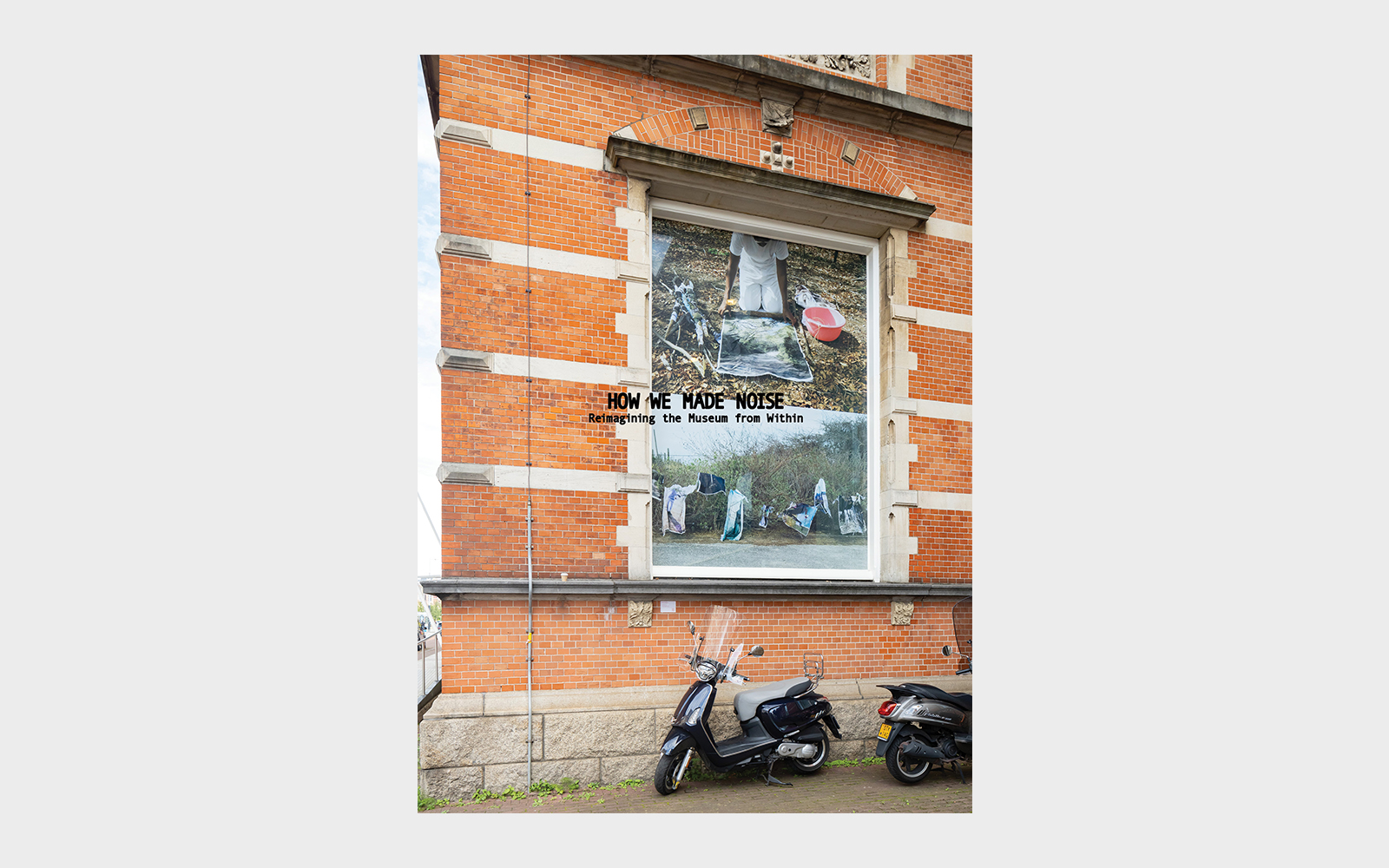
How We Made Noise
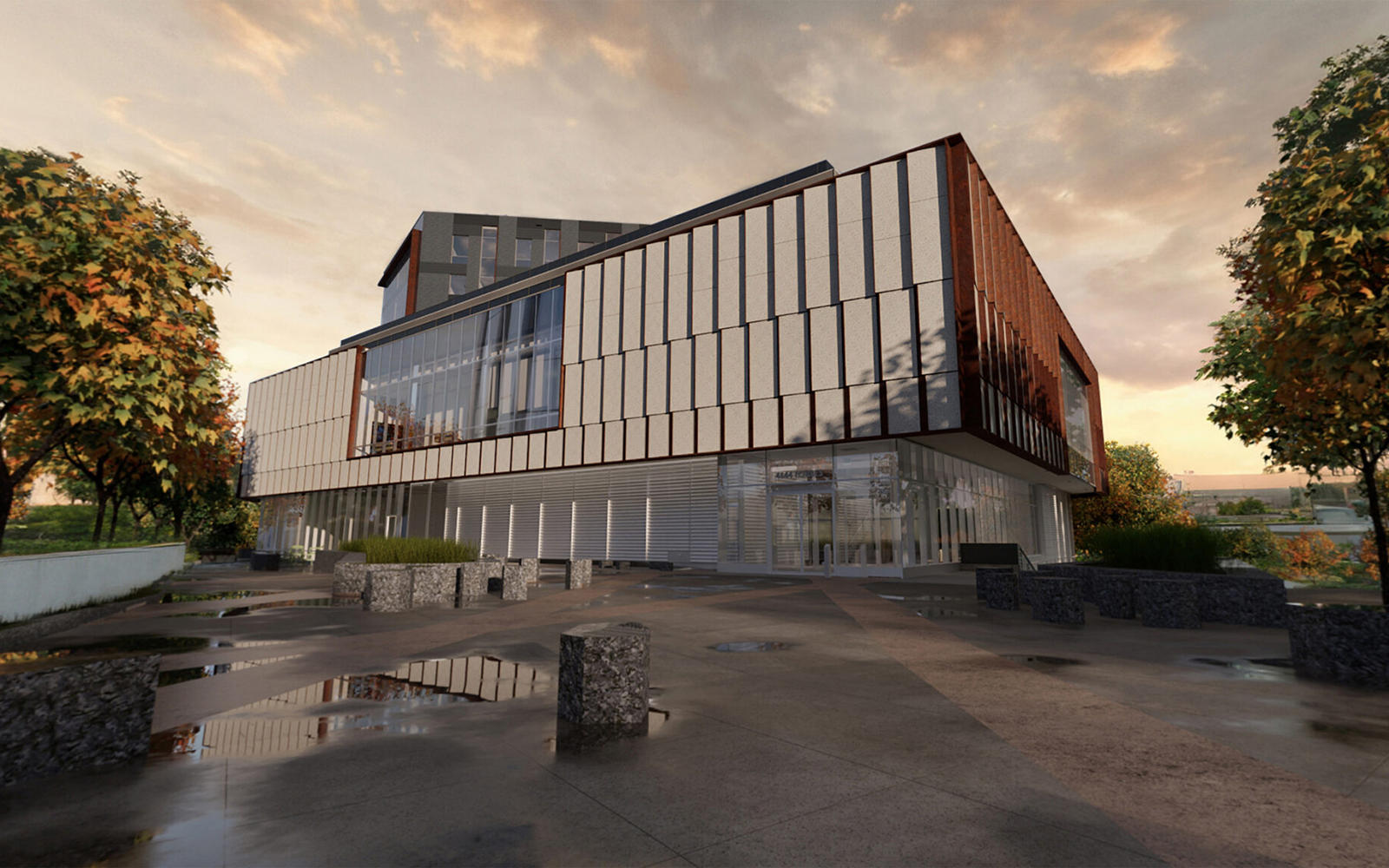
In anticipation of the 2027 opening of its new facilities, the Institute for Contemporary Art (ICA) Pittsburgh teamed up with KADIST and EPOCH to offer a virtual tour of what’s to come. “The Generative Museum” is a detailed rendition of the forthcoming building, featuring a promptable exhibition that draws on ICA and KADIST’s vast collections. Another highlight: four AI works by Morehshin Allahyari, Holly Herndon & Mat Dryhurst, Joe Namy, and Ahmet Öğüt.
“Fifteen years ago, museums were busy digitizing their holdings so they could be accessible online. Now, MoMA is opening its data up for use as raw material, not to index artworks, so that audiences can see how they’re unique, but to render them as training sets, ready for endless reorganization.”
UNESCO launches the Virtual Museum of Stolen Cultural Objects, a VR-enabled platform that aims to reconnect communities with their looted heritage. The initiative, unveiled at MONDIACULT 2025 in Barcelona, reconstitutes over 250 stolen artifacts selected by 46 member states in 3D, offering educational narratives and testimonies from affected communities. “Unlike traditional museums, the Virtual Museum is designed to gradually empty itself with the goal of returning and not accumulating,” UNESCO writes.

“The only viable response to attacks against museums is to double down on our ability to hold contradictory ideas in tension, support difference, and foster dialogue and debate.”
Amsterdam’s LI-MA announces a new cataloguing system that accounts for the complexity of media artworks that confounds traditional museum databases. The Four Level Artwork (FLA) model breaks works down to the artist’s core idea, different iterations of the concept, how the work is technically realized, and the files or objects in a collection. Bas van Koolwijk’s TST (2000) demonstrates FLA: one conceptual work becomes two artistic versions, each with two display formats, and specific tapes in LI-MA’s vault.

Gareth Harris
Towards the Ethical Art Museum

“The booming commercial market for fossils means that institutions and museums seeking these prehistoric bones for scientific and education purposes are being priced out by the ultra wealthy.”
“In a world galloping towards the accommodation of questionable regimes such as those seen in Saudi Arabia, Russia, and China, individuals and institutions are weighing up their priorities and possibly recalibrating their values.”
In a conversation with Ben Davis, institutional critique pioneer Andrea Fraser dissects how the contemporary art world actually works. Elaborating on her 2024 e-flux essay “The Field of Contemporary Art,” she explains how art has splintered into five overlapping subfields—market, exhibition, academic, community-based, and activist—each with competing economies and “radically different and often conflicting perspectives on what art is and does.”

“They’re doing a good job—it’s just a slow integration. Digital moves fast, and institutions move slowly. That’s the dissonance we’re experiencing.”
“Her show was basically an encyclopedia of emergencies made up of anti-colonial video essays, sonic archaeologies, radical-care manifestos, and queer lichen.”
“What if the real challenge of AI isn’t how museums adopt technology but how they redefine their purpose in a world where time itself is restructured?”
“Online collections are not resourced to continue adding more servers, deploying more sophisticated firewalls, and hiring more operations engineers in perpetuity,” warns the GLAM-E Lab in its new report “Are AI Bots Knocking Cultural Heritage Offline?” The study reveals a growing crisis where AI companies are extracting value from cultural commons with swarms of bots that force museums, libraries, and archives to bear the infrastructure costs—and threaten public access to digitized heritage altogether.

“It will have to answer new questions for the younger audience interested in art, who maybe only experience it through social media.”
“As a paid exhibition, visitors invested time and money to support the artist and institution without damaging artworks or disrupting operations. Our photos were taken in good faith, reflecting genuine engagement with the exhibition.”
“TeamLab currently has 12 exhibitions in Japan, as well as sites in places like Singapore, Abu Dhabi, Macau, Miami, New York, and Jeddah, Saudi Arabia. Installations or museums are planned for Hamburg, Germany; Utrecht, the Netherlands; Kyoto, Japan; and more.”
“Yayoi Kusama inaugurated a new era of art specifically catering to smartphone engagement. The conceptual artist James Turrell soon had a crossover moment when Drake visited his exhibition and later used it as the inspiration for the ‘Hotline Bling’ music video.”
The Museum Is Not Enough, no. 10–14

Daily discoveries at the nexus of art, science, technology, and culture: Get full access by becoming a HOLO Supporter!
- Perspective: research, long-form analysis, and critical commentary
- Encounters: in-depth artist profiles and studio visits of pioneers and key innovators
- Stream: a timeline and news archive with 3,100+ entries and counting
- Edition: HOLO’s annual collector’s edition that captures the calendar year in print