Exhibitions, Research, Criticism, Commentary
A chronology of 3,585 references across art, science, technology, and culture
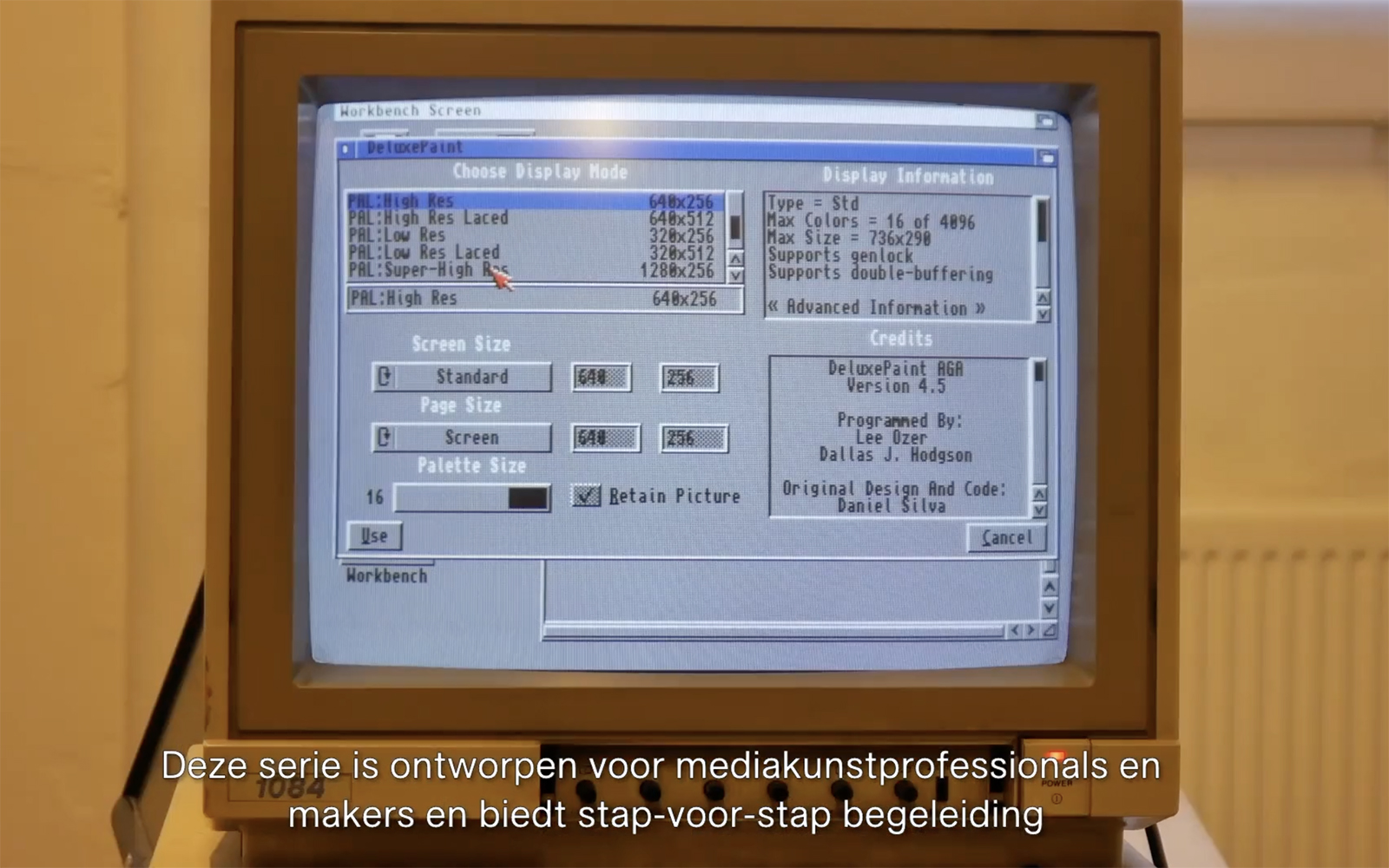
LI-MA Amsterdam and the Dutch Digital Heritage Network (NDE) celebrate World Digital Preservation Day with a new video tutorial series on safeguarding artworks created with the iconic Commodore Amiga computer. “Who Cares for Amiga Artworks?” builds on LI-MA’s AMIGA NU research initiative and guides media art professionals and conservators through the process of accessing and reformatting Amiga files. The first lesson: How to turn Amiga animations into timeless GIFs.
“Video was a brand new art form that had not yet been colonized by men, and the male gaze could easily be short-circuited if you had a woman behind the camera.”
“Because this software environment no longer exists, a perfect 1-to-1 recreation in modern code is impossible. The original work remains a unique digital artifact, tied forever to the specific technological moment of its creation.”
Austrian software artist LIA has restored re-move.org (1999-2003), a suite of ten early interactive works that launched her solo career. Originally made in Macromedia Director to be enjoyed online and on CD-ROM, the minimalist and “deeply personal” pieces have been faithfully rebuilt in p5.js for modern browsers—with one exception: re-move 09 (c. 2002) relied on a Director-specific rendering glitch that, by definition, couldn’t be reproduced.

“Not every work of art can be brought into the deep future. Stewardship across generations is incredibly laborious. To bring something into the future is to make it separate from that which will not receive the same investments of care.”
The TRANSFER Data Trust celebrates its public launch at New York’s Pier 57, completing TRANSFER’s evolution from a gallery LLC into a data cooperative. The decentralized, artist-owned archive and value exchange network functions as an “open culture stack” designed to collaboratively manage and maintain digital artworks in perpetuity. According to founder Kelani Nichole, “this emergent care model offers a new approach to media art valuation, conservation, and governance.”

Amsterdam’s LI-MA announces a new cataloguing system that accounts for the complexity of media artworks that confounds traditional museum databases. The Four Level Artwork (FLA) model breaks works down to the artist’s core idea, different iterations of the concept, how the work is technically realized, and the files or objects in a collection. Bas van Koolwijk’s TST (2000) demonstrates FLA: one conceptual work becomes two artistic versions, each with two display formats, and specific tapes in LI-MA’s vault.

“At this point you’re beyond preservation, and you’ve turned the game into something that doesn’t just live on, but can actually grow with new generations of players.”
Daily discoveries at the nexus of art, science, technology, and culture: Get full access by becoming a HOLO Supporter!
- Perspective: research, long-form analysis, and critical commentary
- Encounters: in-depth artist profiles and studio visits of pioneers and key innovators
- Stream: a timeline and news archive with 3,100+ entries and counting
- Edition: HOLO’s annual collector’s edition that captures the calendar year in print