Exhibitions, Research, Criticism, Commentary
A chronology of 3,585 references across art, science, technology, and culture
Rice University‘s Moody Center for the Arts in Houston (US) presents “Imaging After Photography,” a group show probing algorithmic bias, synthetic image-making, and photographic truth in the era of generative AI. Coinciding with FotoFest’s 40th anniversary, the show features Refik Anadol, Sofia Crespo, Trevor Paglen, and others. Nouf Aljowaysir’s Ancestral Seeds (2025) subjects British archaeologist Gertrude Bell’s photographs of the Middle East to computer vision models, exposing biases embedded in AI.
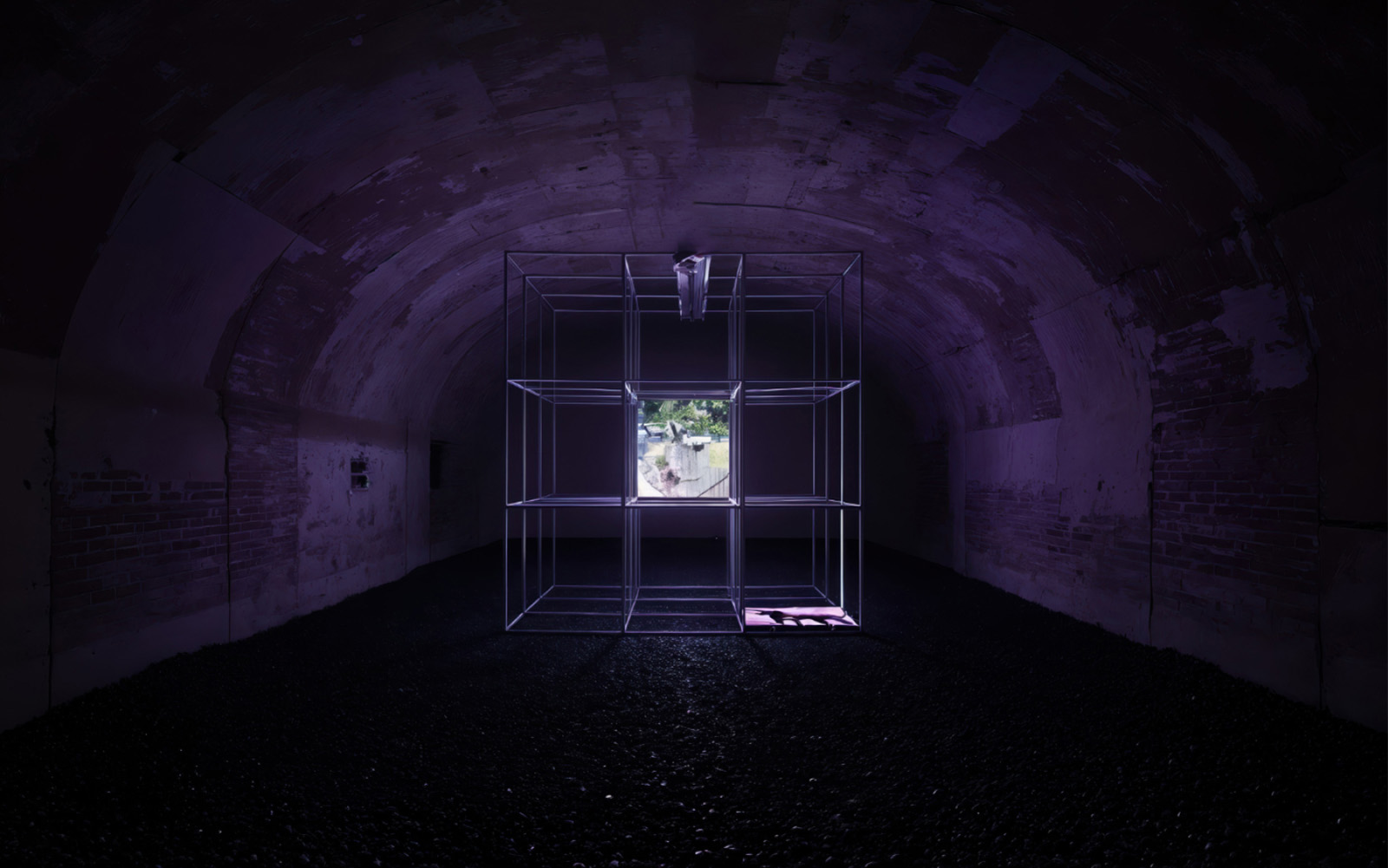
“Subject to Change” at London’s Gazelli Art House presents new and recent works by nine critical AI trailblazers including Memo Akten, Nouf Aljowaysir, Morehshin Allahyari, Brendan Dawes, Jake Elwes, Entangled Others, and Auriea Harvey. Recognized for their creative interrogation of machine learning algorithms and datasets, the artists challenge prevailing industry narratives by “building bespoke systems, deconstructing existing models, and working with a meticulous attention to materiality.”

Sarah Fathallah examines the human cost of Israel’s use of advanced AI tools across occupied Gaza and the West Bank. Their analysis reveals a grim paradox: data captured through mass surveillance feeds the tools that generate kill lists and targets for bombardment. The AI ethics researcher chillingly concludes that, under this technocratic regime, “Palestinians are simultaneously living sources of training data and dead prototypes for system optimization.”

MIT’s Multisensory Intelligence group introduces SmellNet, the first large-scale dataset enabling AI to classify substances by smell alone—trained on over 180,000 data points from 50 food and plant materials. Capable of classifying spices and detecting allergens (e.g. gluten, peanuts), the model has potential applications in healthcare and multisensory computing. Code and data are available on GitHub, with the researchers envisioning future AI “that can truly understand the world through smell.”

“This is like saying Google is sapient because it fed me a link to Isaac Asimov’s I, Robot when I searched for it: A program taking educated guesses does not a singularity make.”
“Anything you put online can and probably has been scraped,” concludes AI ethics researcher William Agnew after finding thousands of personal documents in a tiny sample of DataComp CommonPool. The massive dataset, used to train image generation models, likely contains hundreds of millions of private photos, IDs, and résumés scraped from the web. As journalist Eileen Guo notes, the findings expose “the original sin of AI systems built off public data—it’s extractive, misleading, and dangerous.”

“Online collections are not resourced to continue adding more servers, deploying more sophisticated firewalls, and hiring more operations engineers in perpetuity,” warns the GLAM-E Lab in its new report “Are AI Bots Knocking Cultural Heritage Offline?” The study reveals a growing crisis where AI companies are extracting value from cultural commons with swarms of bots that force museums, libraries, and archives to bear the infrastructure costs—and threaten public access to digitized heritage altogether.

“Everybody who wants to build a large language model that generates English text uses Reddit to train that AI. That social network is a vast and well-organized corpus of text written by human beings.”
“The current backlash against ‘Generative AI’ by artists feeling appropriated seems totally disconnected from the 15‒20 year history of artists posting on corporate social media.”
“To make machines (and masters) seem intelligent and original, it is crucial to hide the labour and workers that enable their operation.”
Daily discoveries at the nexus of art, science, technology, and culture: Get full access by becoming a HOLO Supporter!
- Perspective: research, long-form analysis, and critical commentary
- Encounters: in-depth artist profiles and studio visits of pioneers and key innovators
- Stream: a timeline and news archive with 3,100+ entries and counting
- Edition: HOLO’s annual collector’s edition that captures the calendar year in print